Displaying 11 - 20 of 108
-
We use a range of data to quantify the past and future drivers of wildfire smoke across the US, the impacts of exposure to this smoke on a range of health outcomes, and the efficacy of proposed solutions to reduce smoke emissions and exposures. We find that smoke exposure is undoing decades of air quality improvements in the US and leading to tens of thousands of premature deaths across the US per year, a…
-
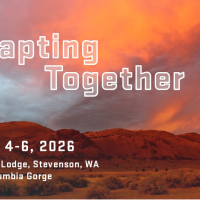
Join the Northwest Fire Science Consortium, Oregon State University, the Fire Adapted Communities Network, and partners for an engaging workshop to transform how we adapt and coexist with wildfire in light of dynamic ecological, social, and economic challenges. As new fire policies and adaptation strategies have grown across the Northwest, it is essential that we work together to learn, share, and craft actionable…
-
Wildfire smoke is becoming a challenge for California’s agricultural regions, affecting both crop production and the communities that sustain it. This talk examines how wildfire and wildfire smoke are reshaping risks to California agriculture, using the wine grape sector as a central case study.
-
For today’s forestry and natural resource professionals, relevance extends beyond research alone. It means adapting to changing landscapes, embracing new technologies, exploring forest product markets and engaging with communities to lead through collaboration.
-
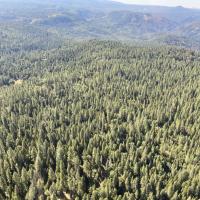
Join us for a free morning workshop at the California Forest Science Symposium (CFSS)!
-
We conducted a retrospective assessment (1986–2023) of USFS post-fire reforestation projects to evaluate whether historical planting patterns align with policy to close the national reforestation gap, while also assessing the potential of spatial optimization tools to strengthen that alignment.
-
This presentation explores the role of Prescribed Burn Associations (PBA's) and community-based fuel reduction programs in expanding the use of “good fire” in California, with a focus on work taking place in Butte County.
-
PG&E operates over 130,000 KM of overhead electric lines in Northern and Central California that can fail during weather events and present risk of wildfire ignition when fuels are receptive. Operational grid mitigations such as proactive deenergizations and sensitive relay settings effectively reduce ignition probability but lead to increased customer outages.
-
The escalating frequency and damage of catastrophic fires are accelerating faster than social systems can adapt, presenting disruptive and systemic risks.
-
The escalating frequency and damage of catastrophic fires are accelerating faster than social systems can adapt, presenting disruptive and systemic risks.