Displaying 51 - 60 of 108
-
Join UCANR, California State Parks, and CFSC for a series of fire-focused field tours in some of the most beautiful redwood groves around!
-
Join UCANR, California State Parks, and CFSC for a series of fire-focused field tours in some of the most beautiful redwood groves around!
-
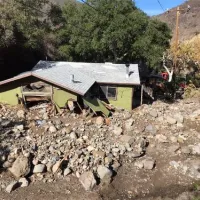
The science of post-wildfire debris flows has evolved rapidly over the past few decades as wildfires have become more frequent, larger, and more severe, impacting human health and the developed landscape. Post-wildfire debris flow science encompasses a wide variety of fields, including hydrology, geomorphology, engineering, remote sensing, atmospheric science, ecology, and data science.
-
Join us for the 4th California Chaparral Symposium! This event will held at Cal-poly San Luis Obispo, and it will be the same energizing blend of science, management, and conservation as our prior symposia.This year's topics include:Balancing fire risks and environmental impactsEffects of changing fire regimes in chaparralStrategies & goals for stewarding chaparral: Case studies from the field
-
Fire is still used as a cultural process and management tool in different regions worldwide. We focus on the examples of the Pyrenees, northern Spain and the open forests of South America. In these areas, local communities of shepherds, farmers, and hunters have continued to use fire actively as an uninterrupted landscape management tool for millennia.
-
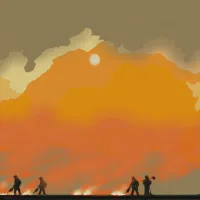
Wildfires are becoming bigger and more severe around the world, overwhelming firefighters’ capacity to control them. Prescribed fires can be used to safely introduce fire in the landscape and regulate fire regimes through fuel management and by building landscape resilience. Is this approach working?
-
California is a crucible for the western US’s wildfire problem and efforts to mitigate the loss of life, homes, and forest ecosystems. Public land management agencies such as the Forest Service and CALFIRE have set ambitious forest treatment objectives, but are struggling to define what qualifies as a ‘treatment’ to meet their targets.
-
Fire suppression and past selective logging have fundamentally changed frequent-fire adapted forests. Management options available to address this problem include mechanical treatments (Mech), prescribed fire (Fire), or combinations of these treatments (Mech + Fire). We quantify changes from a 20-year forest restoration study in the northern Sierra Nevada.
-
In the inaugural seminar of this series, four fire experts will provide an overview of prescribed fire from different viewpoints, disciplines, and regions. They will discuss the role of prescribed fire in ecosystems, connections to culture and community, best practices and performance metrics for evaluating outcomes, and they will speculate on the future of prescribed fire.